Don’t Underestimate the Scholastics (Or, Gleanings from Richard Muller’s PRRD)

MullerThis last year I embarked on a journey of reading through Francis Turretin’s Institutes of Elenctic Theology, much as I did with Herman Bavinck’s Reformed Dogmatics last year. Some of you may have noticed that I’ve slowed down posting Turretin of late, though. There’s a few of reasons for that. First, I simply hit a wall. Turretin’s good, but dense. Sometimes you have to put a book down to pick it up again. Second, I’ve been prepping for Ph.D. work and other reading and studying has gotten in the way. Finally, though, I also sort of got distracted from Turretin when I acquired the four volumes of Richard Muller’s magisterial series Post-Reformation Reformed Dogmatics: The Rise and Development of Reformed Orthodoxy, ca. 1520 to ca. 1725. 

The title describes the project clearly enough. While Muller is not canvassing all of the theology of that period, he does aim to set the record straight about the Reformed school theologians following the age of the Reformers on issues like theological method, Scripture, and the doctrine of God (Attributes, Trinity). He does so by an extensive review of primary sources, as well as setting them against their context of the prior medieval tradition, the Reformation, and the intellectual currents of their own day.

If I could sum up my gleanings from Muller’s volumes in one sentence, it would be: “Don’t underestimate the scholastics.” Which is something people have apparently done all too often. According to many theologians in the late 19th and 20th Century, especially under the later influence of Barth and the Neo-Orthodox, this was allegedly a period of relative darkness, where theology fell into “causal”, “rationalist” metaphysics and philosophical obscurity, after a brief period of pure gospel light shining from the pens of Calvin and Luther. According to Muller, that’s a rather neat “just-so” story that crumbles upon inspection of the actual sources. The Reformed Orthodox scholastics actually had a bit more going for them than that.

While I haven’t finished the four volumes (I’ve got about a third of volume 3 left and volume 4 to go), and it would be ridiculous to try to summarize even one, I figured I could list a few Mullerian points to keep in mind when encountering the scholastics themselves, or critical historiography on them. I’ll proceed in no particular order.

“Scholasticism.” The first point that Muller beats into your head is that “scholasticism” is a method of study and organization, not a theology on its own. Quite often you’ll see general references to the teaching of “scholastic” theology of the Reformed, Lutherans, or whoever as if simply in virtue of being scholastics they’re all saying the same thing. That’s not the case. To put it crudely, scholastic theology was “school” theology or theology done according to the methods of organization and argumentation and logic that was prevalent in the academies of the time.

That said, scholastic methodology was practiced by the Reformed, the Lutherans, the Roman Catholics, and even some of the Radical theologians of the time. But while they may have all used the same form of syllogistic argument, the quaestio form, or so forth, they often came to radically different conclusions on theological judgments about Scripture, justification, the will and knowledge of God, and any number of other issues. So, again, when someone talks about “scholasticism”, it makes sense to ask, “Whose scholasticism?”

Method/Genre Matters. There are a lot of different issues that could be shoved under the question of method and genre, but one is the way it shapes how we think of the piety and spirituality of the period. The theology of the Orthodox period has been accused of being “dry”, “arid”, and devoid of the vitality of earlier Reformation preaching. This is allegedly a result of its rationalism and divorce from the earlier spiritual concerns of its forebears. Muller points out that much of this is, in fact, an issue of style.

First off, much of the actual material is not dry and is quite concerned with the life of piety. Even in the most technical works, you’ll usually get a section on the pastoral “use” of even the most abstruse doctrines. All the same, in their systems, the Orthodox were often writing for the academy, in an institutional setting for the training of students, and so their systems are not always reflective of their popular works or preaching. Even today textbooks are very often more technical and boring than sermons.

Reading Turretin and Thomas Watson this year has been instructive for me in this regard. Watson’s work a Body of Practical Divinity is a work of “homiletical” theology, sermons commenting on the catechism. Turretin’s is an apologetic, technical work. While I’d be hard-pressed to find major theological differences between them–indeed, Watson’s distinctions can be quite scholastic–their styles can seem far apart. Watson sings and Turretin, with a few exceptions, lectures. One lively and pietistic, the other dry and academic, but the difference here is one of method and genre, not theology.

Exegetically-Focused. One of the major criticisms of the Scholastics is that much of their theology is just Aristotle or some other metaphysician baptized. It’s the “Greek” charge in a lot of ways, simply applied a thousand years later. Instead of the “biblical” theology of Calvin and Luther, the scholastics abandoned their principled, textual basis and returned to abstract speculation to construct their doctrines of God and the decree. The problem with that is the actual texts of the scholastics. While it’s true that many did return to retrieve certain categories from the medievals in order to sharpen up some doctrines that the Reformers didn’t do as much work with, it’s hardly the case that we’ve got just a bunch of metaphysical logic-chopping.

As Muller points out, before they wrote their systems, most of the Reformed scholastics taught Scripture, wrote commentaries, preached, and trained heavily in the humanistic study of languages and rhetoric. Read one of Turretin’s questions and you’ll see references to texts in their historic contexts, typology, Rabbinic exegesis, and knotty linguistic issues. Or on the issue of God’s attributes, it is true that there are a number that can be treated by some theologians in a more philosophical mode, but many are packed to the gills with careful discussions of Scripture references. Beyond that, most systems began with a discussion of the biblical “names” of God as the source of reflection on God’s nature before they even touched the more abstract “attributes.”

Philosophically-Eclectic. Muller has pointed out that while there was a generalized sort of “Aristotelianism” in the intellectual air at the time, that hardly means that the Reformed scholastics were a monolith in this area. In fact, it seems that the Reformed were “eclectic” in philosophical matters. This is true on a number of levels. Some, for instance, were far more skeptical than others of the place that philosophy could play in the formulation of Christian doctrine in subordination to Scripture.

On another level, different types of Reformed theologians drew on different theo-philosophical streams for their reflections. Some drew on Thomas, while others reflected certain emphases found in Duns Scotus or Ockham, and even later, some flirted with Cartesian philosophy. And it was hardly ever a matter of simply taking over distinctions uncritically, but adopting them and adapting them in line with their own reading of Scripture in order to expound the truth of the Scriptures.

Continuity and Discontinuity. Finally, there’s the big issue Muller is concerned to discuss, which is whether or not the Reformed Orthodox systems represented a radical break with the early Reformers or stand in essential continuity, and why that did or didn’t happen.  There are a number of factors that go into answering this question but the answer, in a nutshell, is yes and no.

First, we need to grapple with getting the past right. You have to get it clear in your head that Calvin isn’t the sole benchmark for pure, Reformation theology. He had plenty of colleagues like Musculus, Vermigli, Hyperius, Bucer, Viret, and others, who were also respected, Reformed theologians who played a role in laying the foundation for the Reformed tradition. So continuity can’t just be measured by “What did Calvin say? And did they say the same, exact thing in the same, exact style?” You need to take into account the broader, Reformed context.

Also, it helps to know where and how the Reformers themselves actually differed or didn’t differ from their Medieval forebears. On many questions, there’s a lot of overlap between the two, so they simply don’t address the issue at length. Then the Reformed Scholastics come along and say something that sounds kind of like the Medievals and they get accused of diverging from the Reformers, when it’s more simply a matter of saying louder when the Reformers had basically assumed.

Second, we need to take into account that history happens and new situations call for new responses that aren’t necessarily in opposition to what came before, but may represent a legitimate development. So, when Calvin and Luther were writing, you had the challenges of a new movement fighting for its life with all the vitality, fire, and eclecticism that goes with that. With the Post-Reformation period came the phase of institutionalization needed to preserve and protect the gains made in the Reformation. Hence the rise of the schools and the appropriateness of scholastic development of Reformation theology.

Not only that, many of the arguments shifted over time. In the Post-Reformation period you get a lot more distinctions in certain areas of theology that weren’t treated by the Reformers, mostly because they weren’t up for grabs. So when the Socinian heretics come along and start arguing for a finite God, limited knowledge, rationalist metaphysics and epistemology, and so forth, the Reformed scholastics find themselves with new challenges to be treated. The same thing is true with the growing sophistication of Roman Catholic counter-arguments, as well as certain areas of dispute with the Lutherans such as the sacraments. Things got more complicated, so the theology expanded to match it.

There’s more to get into here, but time and again Muller shows that in the early and high periods of Post-Reformation Orthodoxy the scholastics developed the theology of the Reformers in a new context in ways that are both continuous and discontinuous with what came before. Along the way, he shows that there are riches to be mined in the mountains of those dusty, old tomes. Over and over again, I keep thinking to myself that certain contemporary “advances” are only beginning to catch up to the clarity and sophistication of the old masters.

Soli Deo Gloria

These Are a Few of My Favorite Things (Or, Dim Reflections)

beautyI don’t know where I first heard it put this way, but one point that has stuck with me and that I regularly preach to my students is this: God is better than anything he’s made. Now, as soon as you say it, you’re struck with how utterly obvious that should be. Whatever produces something ought to have more beauty, intelligence, power, and so forth, than its production. As beautiful as a Monet is, Monet himself is the far more remarkable creature. But we don’t often think through the implications for our worship of God.

Whatever you love most–sunsets, the taste of your favorite burger, sides aching from laughter with your best friend, the lingering sense of fulfillment after a job well done, the feel of a crisp winter morning–takes its goodness from the goodness of the God who made it. He is the creative and sustaining current source of its being–how could he not surpass it? What’s more, how could that not impact the way you engage with the world around you, leading you to greater depths of worship and devotion?

Thomas Watson, in his section on God’s creation, reflects on the way we ought to makes use of this point:

Did God make this glorious world? Did he make everything good? Was there in the creature so much beauty and sweetness? Oh! then what sweetness is there in God? Quicquid efficit tale, illud est magis tale; ‘the cause is always more noble than the effect.’ Think with yourselves, is there so much excellence in house and lands? Then how much more is there in God, that made them! Is there beauty in a rose? What beauty then is there in Christ, the Rose of Sharon! Does oil make the face shine? Psa 104:15. How will the light of God’s countenance make it shine! Does wine cheer the heart? Oh! what virtue is there in the true vine! How does the blood of this grape cheer the heart! Is the fruit of the garden sweet? How delicious are the fruits of the Spirit! Is a gold mine so precious? How precious is he who founded this mine! What is Christ, in whom are hid all treasures? Col 2:3. We should ascend from the creature to the Creator. If there be any comfort below, how much more is there in God, who made all these things! How unreasonable is it that we should delight in the world, and not much more in him that made it! How should our hearts be set on God, and how should we long to be with God, who has infinitely more sweetness in him than any creature!

God created the world to display his glory. If you, then, find your worship of God weak, or desire for him failing, reflect on those things that you love most in this world. Now compare them to God and strive to understand the way that your enjoyment of that good–that rose, that old, well-worn path, that beloved friend–is just a dim reflection of it’s author. Look at the world, then, with new eyes, attuned to the infinitely greater beauty, delight, goodness, justice, and power of its Author and Sustainer.

Soli Deo Gloria

Lord, Have Mercy (12 Theses on the Mercy of God)

mercyA Christian cannot dwell too much on the mercy of God. God is infinite and as such, so is his mercy. We cannot come to an end of it. God is good and his goodness towards sinners in our misery, weakness, and rebellion takes the form of mercy. Mercy that forgives. Mercy that blesses. Mercy that treats us gently. Mercy that covers all–yes, even that unspeakable shame you dare not mention to the closest friend. Mercy that gives new life to sinners who have thrown theirs away, pursuing it in a million different broken cisterns instead of drawing from the freely-proffered fountain of life. The good news of the gospel is that the Triune God has shown us mercy in Christ. It doesn’t get more basic than that.

And yet, all too often in the practical Christian life, we don’t give it more than a passing thought. This might strike some as strange of me to say. Many of us can think of any number of Christians who regularly appeal to the mercy of God to excuse, or justify their sinful wanderings or lack of seriousness in the Christian life. But you have to see that’s not the same thing as “dwelling”, or giving serious thought to the mercy of God. That’s a juvenile confusion of mercy with careless license. Anyone who has given thought to the mercy of God cannot treat it lightly.

Considering the mercy of God with prayer and in the Spirit leads to repentance and deep, faithful, love. That’s precisely why Paul begs the Romans to offer their bodies as living sacrifices as a reasonable act of worship, “in view of God’s mercy.” After eleven chapters of outlining God’s mercy through the God’s faithfulness to his creation, his promises to Israel, and the whole world–including sinners under judgment–Paul thinks it’s eminently reasonable to call his readers to holy, faithful living, with no thought that this should provoke license or apathy.

With that in mind, then, it seems helpful to outline some thoughts on the mercy of God. And by “outline”, I mean “quote Thomas Watson” who very helpfully laid out twelve theses on mercy in his Body of Practical Divinity. (And if you’re wondering, yes, I am on a Watson kick because WHERE THE HECK HAVE PEOPLE BEEN HIDING HIM THIS IS AMAZING STUFF!!!!).

His theses will come in italics, then I’ll offer commentary. But honestly, you should go read it here, because Watson is just a preaching beast. I mean, he’s got one-liners for days like, “The sun is not so full of light as God is full of mercy.” Really, he’s just so good.

Alright, so the twelve theses.

[1] It is the great design of the Scripture to represent God as merciful.  For Watson, the whole narrative points up God the merciful redeemer. When God gives Moses his name in Exodus and recounted later on, God heaps up the merciful adjectives (slow to anger, compassionate, forgiving, etc), but only one or two concerned with judgment (by no means clearing the guilty).

[2] God is more inclinable to mercy than wrath. Luther called wrath God’s “alien work.” It’s foreign to him. He only punishes when his hand his forced. His mercy, though? It’s offered before we even think to ask for it. Get that through your head: God’s mercy towards you was God’s idea.

[3] There is no condition, but we may spy mercy in it. Even in our darkest moments, the roughest situations of persecution and misery, we are able to see God’s mercy at work to save and bless his children.

[4] Mercy sweetens all God’s other attributes. Holiness or justice without mercy is a threat. That’s judgment waiting to happen. But with mercy? They are sweet comforts.

[5] God’s mercy is one of the most orient pearls of his crown; it makes his Godhead appear amiable and lovely. Watson points out that when Moses asks to see God’s glory, God says he’s going to make his goodness pass before him and “show you my mercy” (Exod 33:19). Mercy is God’s glory.

[6] Even the worst taste God’s mercy; such as fight against God’s mercy, taste of it; the wicked have some crumbs from mercy’s table. God makes his sun shine on the good and the bad, gives oxygen to both those who praise him, as well as those who curse his name. Everyone has experienced God’s mercy.

[7] Mercy coming to us in a covenant is sweetest. Common mercy is great, but the specific mercy we receive through the work of Christ is the sweetest. Sunshine is fine, but forgiveness, adoption, and justification, are beautiful works of mercy surpassing all of the rest.

[8] One act of mercy engages God to another.  Some might think that God’s mercy is a one-time thing. But, in fact, God’s mercy is more like a domino set. Election leads to justification leads to holiness leads to glorification. A parent keeps giving.

[9] All the mercy in the creature is derived from God, and is but a drop of this ocean. Every act of mercy you’ve ever encountered is actually provoked by the God who is the source of all mercy. It is God working mercy through human servants. And it’s just the tiniest glimpse of the reservoirs of mercy he has ready to pour out.

[10] As God’s mercy makes the saints happy, so it should make them humble. Saints don’t swagger, they rejoice. Acknowledging your need for mercy should be a humbling reality. Plus, you should be too busy praising God for his mercy than to be bragging about your own non-existent awesomeness compared to others.

[11] Mercy stays the speedy execution of God’s justice. That people aren’t currently being punished is not a sign of God’s weakness, nor the inevitability of judgment for unrepentant sin. It’s God’s kindness and a sign of his willingness that we should repent.

[12] It is dreadful to have mercy as a witness against anyone. His final thesis is one of warning. When you’ve made an enemy, even of mercy, then you’re hosed. Mercy is your only hope. Don’t fight it.

Watson continues on with the various uses this doctrine has for those who consider it length. It draws us into greater love of God, confidence of our salvation, and works of mercy towards others which demonstrate the glory of God’s mercy in our own lives. I would urge you today: consider the mercies of God, rest in them, and praise him.

Soli Deo Gloria

God is a Spiritual Being. But What Does that Even Mean?

sinai

Israel never saw God’s form at Sinai, only smoke, fire, and lightning.

Q-4: What is God?

A: God is a Spirit, infinite, eternal, and unchangeable, in his being, wisdom, power, holiness, justice, goodness, and truth.

-Westminster Shorter Catechism

I don’t think most of us give thought to the fact that God is a Spirit (John 4:24). I know I hadn’t much until I was forced to think through some of the metaphysics of spiritual beings in my class on medieval philosophy in college (Angels, Humans, and Evil, I think it was called). In any case, we discussed the differences between angels and humans (at least according to Aquinas) and one of the main ones was that angels are pure spirits, intelligences with no bodies. So what does it mean for God to be spiritual?

Thomas Watson, in his sermon commenting on this question in Body of Practical Divinity states:

By a spirit I mean, God is an immaterial substance, of a pure, subtile, unmixed essence, not compounded of body and soul, without all extension of parts.

God being spirit means that God is not material, not bodily, not made up of parts you can pull apart and put back together. Sounds simple enough.

Angels and Souls are Spiritual, though, too? Some Clarifications

Still, if this is what it means for God to be spiritual, then that raises the question that occurred to me in college. If God is an immaterial substance, and angels are immaterial substances, what distinguishes them? Is God just bigger? Do they run into each others? What’s the difference? Watson, again, anticipates the question:

The angels are spirits. We must distinguish spirits. The angels are created, God is a Spirit uncreated. The angels are finite, and capable of being annihilated; the same power which made them is able to reduce them to their first nothing; but God is an infinite Spirit. The angels are confined spirits, they cannot be duobus locis simul, but are confined to a place; but God is an immense Spirit, and in all places at once. The angels, though spirits, are but ministering spirits (Heb 1:14). Though they are spirits, they are servants. God is a super-excellent Spirit, the Father of spirits (Heb 12:2).

So, apparently, there are a few. First, and most important is that God is Creator and angels are created. For that reason, God infinite, without boundaries or limits to his power, location, or anything else. Angels are still created beings, finite in knowledge, power, and yes, even location. They are upheld in their existence by God at every moment and could wink out of existence should he decide to remove his hand. In Christian theology, you always have to reckon with the Creator/creature distinction. Mess with that, and just about everything else falls out of place.

Okay, well, what about human souls? Sure, humans are soul + body, but what if I’m feeling extra dualist today and I want to play up the spirituality of the soul? What distinguishes human spirits from God’s Spirit, especially since humans are God’s Image. Apparently heretics like Osiander and Servetus actually thought the soul was the essence of God communicated to human beings. Watson says that’s silly. We’re made in his “image and likeness.” God’s essence is incommunicable, but “When it is said the soul is a spirit, it means that God has made it intelligible, and stamped upon it his likeness, not his essence.”

But what about this whole “partakers of the divine nature” business in 2 Peter 1:4? Well, here Watson gives a standard Reformed response:

We are made partakers of the divine nature, not by identity or union with the divine essence, but by a transformation into the divine likeness.

Okay, that’s clear enough so far. But say I know my Old Testament pretty well. Do you know how often we read about people seeing God walking around, using his hands, sitting on a throne, and all kinds of corporeal, physical stuff? Well, yes, I do. And so does Watson. In response to that charge made by a party named the “Anthropomorphites” who believe that God has a physical body, he gives their exegesis and hermeneutics a little tune-up.

First, he lays out the clearer statements of Scripture about the nature of bodies and spirits according to Jesus and the rest of Scripture:

It is contrary to the nature of a spirit to have a corporeal substance. ‘Handle me, and see me: for a spirit has not flesh and bones, as ye see me have.’ (Luke 24:49)…Now that God is a Spirit, and is not capable of bodily shape or substance, is clear, for a body is visible, but God is invisible; therefore he is a Spirit. ‘Whom no man has seen, nor can see’ (I Tim 6:16.), not by an eye of sense. A body is terminated, can be but in one place at once, but God is everywhere, in all places at once; therefore he is a Spirit (Psa 139:9, 8.). God’s centre is everywhere, and his circumference is nowhere. A body being compounded of integral parts may be dissolved; quicquid divisibile est corruptibile: but the Godhead is not capable of dissolution, he can have no end from whom all things have their beginning. So that it clearly appears that God is a Spirit, which adds to the perfection of his nature.

If this is true, then what are we to do with the language of Scripture?

Bodily members are ascribed to God, not properly, but metaphorically, and in a borrowed sense. By the right hand of the Lord is meant his power; by the eyes of the Lord is meant his wisdom.

This is an example of allowing Scripture to clarify Scripture, using the direct statements on the nature of bodies and so forth, to then set the parameters for how we read other texts. On this reading, Scripture gives a clear directive to read these passages as communicating truth, but figuratively, not literally. Again, that seems simple enough.

But Why Does it Matter?

Okay, with all that said, who cares? Why is the “spirituality” of God an important point to understand? It doesn’t immediately seem to be emphasized in Scripture, even if it seems to be taught. Of what use is it for us to know and dwell on this reality?

Well, for starters, that’s one of those things that makes the Incarnation all that more amazing. The God who is immaterial, unbounded, and so forth, deigns, in Christ, to assume or add to himself a body, which is not natural to him. That’s just part of the glory of the Gospel–God becomes what is not God in order to reconcile us to himself.

But Watson presses beyond this to draw out a number of implications I can only briefly touch on.

First, Watson says that if God is spiritual, that means he’s impassible–not capable of being harmed, overcome, or anything human foes might think to do to him. What are you going to do? Chuck a spear at him? His essence is beyond all harm. That is grounds for worship and comfort.

Second, if God is Spirit, then Watson thinks that should put image-worship or veneration to bed. God is Spirit and no likeness of him can be made suitable to his perfection.

 ‘To whom then will ye liken God, or what likeness will ye compare unto him?’ (Isa 40:18)How can you paint the Deity? Can we make an image of that which we never saw? Ye saw no similitude. God is a Spirit.

How are we to worship and conceive of him, then? Here Watson gives a Christologically-focused answer:

We must conceive of him spiritually. In his attributes; his holiness, justice, and goodness, which are the beams by which his divine nature shines forth. We must conceive of him as he is in Christ. ‘Christ is the image of the invisible God’ (Col 1:15). Set the eyes of your faith on Christ as God-man. In Christ we see some sparklings of the divine glory; in him there is the exact resemblance of all his Father’s excellencies. The wisdom, love, and holiness of God the Father, shine forth in Christ.‘He that has seen me has seen the Father’ (John 14:4).

Third, “If God be a Spirit, it shows us, that the more spiritual we grow, the more we grow like to God.” To turn your eyes to God and your desires to the heavens away from mere earthly concerns is to grow in the likeness of God.

Fourth, God’s being a Spirit means that our worship ought to spiritual too. For Watson that means a number of things. (1) Worship is without ceremonies, as the OT ceremonies have been abrogated, so why return to the shadows with man-made replacements? (2) It is to worship him with faith in the blood of the Messiah, with zeal, with prayer, with true consecration, without the vain pretenses of outward shows.

Fifth, this should move us to ask for the Spirit that we may become more spiritual:

The essence of God is incommunicable; but not the motions, the presence and influences of his Spirit. When the sun shines in a room, not the body of the sun is there, but the light, heat, and influence of the sun.

Sixth, Watson reminds us that if God is Spiritual, shouldn’t we expect his blessings to be spiritual?

This may comfort a Christian in all his labours and sufferings; he lays out himself for God, and has little or no reward here; but remember, God, who is a Spirit, will give spiritual rewards, a sight of his face in heaven, white robes, a weight of glory. Be not then weary of God’s service; think of the spiritual reward, a crown of glory which fadeth not away

We neglect the spiritual nature of God to our own detriment. We miss out on part of the glory of Jesus in the gospel, the nature of true worship, and so much more.

Watson’s meditations remind us, once again, that everything about God is worthy of worship. Nothing we learn about Father, Son, and Spirit can fail to contribute to our love of God or his glory if we think it through with care and prayer.

Soli Deo Gloria


Edwards: Heaven is a World of Triune Love (W/ Some Help From Strobel)

Cheesy

Cheesy “Heaven” Image, because nobody clicks on pages with Jonathan Edwards.

Recently, I’ve been on something a Jonathan Edwards kick. Though I’d been kind of interested in Edwards before–his The End for Which God Created the World and a collection of his sermons exercised a deep influence on me a few years ago–I hadn’t really dug deeply into his voluminous and wide-ranging works (sermons, treatises, miscellanies), partially because I felt I needed a guide into them. Some might think, “A guide for Edwards? Really?” Yup.

See, generations of U.S. History students have been spoiled for reading Jonathan Edwards simply because they’ve only been exposed to hostile expositions of his classic Great Awakening sermon “Sinner in the Hands of an Angry God” at the age of 15, or so. The unfortunate picture that emerges is of a hell-obsessed, brimstone preacher, with little to no theological imagination except in expositing the tortures of the damned. Push a little beyond that, though, and you come to find out the revival preacher was also a creative theologian, pastor, and philosophical innovator of the highest order. Indeed, according to many intellectual historians, it’s likely he’s the first and most original theologian the Americas ever produced, capable of being ranked among the greatest intellects of his age across the Atlantic.  Theologian Robert Jenson, himself no slouch, has called him “America’s Theologian.”

As it turns out, Edwards was rather metaphysically-sophisticated, and, in some places, kind of a quirky odd-ball in the Reformed tradition, which plays out in places you wouldn’t expect. For that reason, I decided to get my hands on Kyle Strobel’s Jonathan Edwards’ Theology: A Reinterpetation. It’s been an eye-opener. Thing is, this isn’t just a modest field-guide for the novice reader. Strobel’s work comes in the midst of a recent wave of Edwards scholarship in the blossoming field of “Edwards Studies”, with an aim to correct a lot of the discussion that’s gone before, and reset a lot of the conversation surrounding the basic shape of Edwards’ theology. Now, from where I stand as a total non-expert and unqualified observer, I can’t judge how much he does that. What I can say is that’s been a fascinating, helpful read so far.

At the heart of Strobel’s argument–insofar as I’m following it–is that Edwards’ Reformed theology (not philosophy, mind you), is a vision of the Triune God whose fundamental existence is one of “personal beatific delight.” The God from whom are all things and to whom all things are oriented, is the one whose inner life is that of the Father and Son’s mutual gaze in the delight of the Spirit. The Father’s own knowledge is the Son whom he loves and delights in through the love that is the Spirit. But it does not end with the Father’s love of the Son, in the Spirit. As he writes in Heaven is a World of Love:

And the Son of God is not only the infinite object of love, but he is also an infinite subject of it. He is not only the beloved of the Father, but he infinitely loves him. The infinite essential love of God, is, as it were, an infinite and eternal, mutual, holy, energy between the Father and the Son: a pure and holy act, whereby the Deity becomes, as it were, one infinite and unchangeable emotion of love proceeding from both the Father and the Son. This divine love has its seat in the Deity, as it is exercised within the Deity, or in God toward himself.

From this eternally happy and glorious self-knowledge and love, flows God’s purpose in creation and the history of redemption: God’s benevolent self-glorification in the communication of the overflow of that good to creatures. Everything else from Edwards’ quirky take on the attributes of God, his understanding of heaven, earth, and hell, the structure of redemptive history, the nature of union, justification, sanctification, and glorification, and so on, has its ground in Edwards’ irrefragably trinitarian theology.

And yes, thinking these things through with Edwards and Strobel really is as heady, intoxicating, difficult, and rewarding it sounds.

Heaven is a World of Triune Love

One particular section that caught my attention was the way this vision grounds Edwards’ vision of heaven as “a world of love”, which he gets into in a sermon by the same title I have already quoted above. Edwards’ vision of heaven is fascinating for a number of reasons, not least of which is his appreciation for its dynamic, historical character. Yes, according to Edwards, even heaven has a history, with different eras ushered in by the different stage of Christ’s historical work of redemption. Heaven and earth and more intimately bound up with each other, in that respect, than many of us typically appreciate.

But what makes heaven a world of love? Well, God, of course:

Here I remark that the God of love himself dwells in heaven. Heaven is the palace or presence-chamber of the high and holy One, whose name is love, and who is both the cause and source of all holy love…And this renders heaven a world of love; for God is the fountain of love, as the sun is the fountain of light. And therefore the glorious presence of God in heaven, fills heaven with love, as the sun, placed in the midst of the visible heavens in a clear day, fills the world with light. The apostle tells us that “God is love;” and therefore, seeing he is an infinite being, it follows that he is an infinite fountain of love.

Like Bavinck, Edwards knows that the best part of Heaven or the New Creation is that it is the dwelling of God himself. God is not secondary or tertiary to the good of heaven, but the central focus of it. God is what makes heaven heavenly.

It’s not enough, though, to talk about God as the fountain of love, as the source of love, or the presence of love. We must press forward and understand that it is because this God is Father, Son, and Holy Spirit that heaven is a world of love:

There, even in heaven, dwells the God from whom every stream of holy love, yea, every drop that is, or ever was, proceeds. There dwells God the Father, God the Son, and God the Spirit, united as one, in infinitely dear, and incomprehensible, and mutual, and eternal love.

There dwells God the Father, who is the father of mercies, and so the father of love, who so loved the world as to give his only-begotten Son to die for it.

There dwells Christ, the Lamb of God, the prince of peace and of love, who so loved the world that he shed his blood, and poured out his soul unto death for men. There dwells the great Mediator, through whom all the divine love is expressed toward men, and by whom the fruits of that love have been purchased, and through whom they are communicated, and through whom love is imparted to the hearts of all God’s people. There dwells Christ in both his natures, the human and the divine, sitting on the same throne with the Father.

And there dwells the Holy Spirit — the Spirit of divine love, in whom the very essence of God, as it were, flows out, and is breathed forth in love, and by whose immediate influence all holy love is shed abroad in the hearts of all the saints on earth and in heaven.

Strobel points out that this vision of heaven is one of “personal beatific delight” in God (106). The God of Heaven is the God given us in the Son, our Mediator in two natures, who reveals the Father who sent him and the Spirit who comes to us as another Advocate to apply the Son’s work in our lives. In other words, the delight is one that believers (and angels as well) receive through the mediating work of Jesus, which continues even in heaven and is effected in us by the Spirit. In this way, Christians participate in a secondary and derived sense, in “God’s own personal beatific delight.”

This delight doesn’t consist only in the believer’s union with God, but, if I’m getting it right, in the greater union believers have with each other. Strobel says, “seeing and knowing God in this manner results in unity among the members” as they jointly grow in their love, knowledge, and worship of the Redeemer to whom they are mutually united (106). The communion of the saints is part of the delight of heaven brought about by, founded on, and participating in the communion of the Triune God.

At the heart of Edwards’ vision of heaven, then, is this:

…infinite fountain of love — this eternal Three in One — is set open without any obstacle to hinder access to it, as it flows forever. There this glorious God is manifested, and shines forth, in full glory, in beams of love. And there this glorious fountain forever flows forth in streams, yea, in rivers of love and delight, and these rivers swell, as it were, to an ocean of love, in which the souls of the ransomed may bathe with the sweetest enjoyment, and their hearts, as it were, be deluged with love!

That is a vision to stir the affections, create a longing in our hearts, and a vision of hope that ought to press us to anticipate our future with God even now.

How?

Well, first by seeking after the glory of the Triune God through prayer. Remember, we have access even now through Jesus and the Spirit, to the throne room of the Father. What’s more, in Scripture, we are presented with a vision of Jesus, our Redeemer, working in the power of the Spirit, in whom we see the perfect Image of the Father.

Soli Deo Gloria

Leveraging the Attributes *for* Salvation (Edwards on the Glory of God in Salvation–Again)

chess 2Yes, this is another post on salvation, the attributes, and Jonathan Edwards in The Wisdom of God, Displayed in the Way of Salvation. He’s already demonstrated the way that each, or at least a good many, of the attributes are glorified and displayed the work of redemption, as well as the particular persons of the Trinity. But Edwards doesn’t stop there. From another angle, Edwards makes the argument that it is the wisdom of God in salvation to act in such a way that the very attributes which would seem to most make us his enemy, put us in peril of damnation, separation, and the annihilation, are actually the foundation of our redemption and hope. In this way, “God’s greatest dishonor is made an occasion of his greatest glory.”

What do I mean by that? Well, Edwards reminds us of the basic reality of sin: it is a denial of God, a rebellious refusal to give God glory and honor, and set ourselves up as his enemies. We attempt to dethrone the God of the universe in our vanity. In light of this reality, all of God’s attributes seem to demand vindication. His truth demands the public demonstration that he keeps his word to curse disobedience. His holiness demands the eradication of impurity. His justice seems to demand the punishment of sin, lest God be an unjust judge. And yet, “so has God contrived, that those very attributes not only allow of man’s redemption, and are not inconsistent with it, but they are glorified in it.”

Indeed, the Triune one has so arranged the work of salvation such that his attributes now demand the salvation of sinners: “it is so ordered now that the glory of these attributes requires the salvation of those that believe.”

This argument taps into the logic of the apostle, John. John writes to the church in Ephesus that, “If we confess our sins, he is faithful and just and will forgive us our sins and purify us from all unrighteousness” (1 John 1:9). God is faithful and just to forgive sins? Why is it a matter of justice to forgive sins? Well, because in verses 2:1-2, John continues on: “But if anybody does sin, we have an advocate with the Father—Jesus Christ, the Righteous One. He is the atoning sacrifice for our sins, and not only for ours but also for the sins of the whole world.”

In this section, Edwards explains:

The justice of God that required man’s damnation, and seemed inconsistent with his salvation, now as much requires the salvation of those that believe in Christ, as ever before it required their damnation. Salvation is an absolute debt to the believer from God, so that he may in justice demand it, on account of what his surety has done. For Christ has satisfied justice fully for his sin. It is but a piece of justice, that the creditor should release the debtor, when he has fully paid the debt. And again, the believer may demand eternal life, because it has been merited by Christ, by a merit of condignity. So is it contrived, that justice that seemed to require man’s destruction, now requires his salvation.

He then moves on to show how the same movement is at work in God’s attributes of truth and holiness. Where it seemed they demand our total rejection, God orders things so that, upon faith in Christ, these things “require” our acceptance.

Not only that, it’s not just that redemption displays God’s attributes better than any other act. Nor is it only that God wisely arranges things so that his attributes require man’s salvation. In this way, we see God’s attributes more magnificently displayed in a way than we ever could have otherwise. “Those very attributes which seemed to require man’s destruction are more glorious in his salvation than they would have been in his destruction.”

How so? Simply damning sinners for eternity cannot compare to the utter vindication of God’s justice seen in his taking the consequences of sin upon himself in the Son all at once, in public, on the cross. The public trial in history of God’s unchangeable justice reveals God’s willingness to do justice in a way that simply leaving sinners to their fate ever could.

This is one more reason to marvel at the wisdom of God:

Such is the wisdom of salvation, that the more any of the elect have dishonored God, the more is God glorified in this redemption. Such wonders as these are accomplished by the wisdom of this way of salvation.

Not only does this give us reason to praise and glorify God, but it also is the foundation of unspeakable comfort. Many of us might look to God’s goodness, his holiness, his righteous justice, or purity, and only see reasons for guilt, rejection, shame, and despair. Edwards will not have. To think in such a way underestimated the glorious wisdom of God:

So sufficient is this way of salvation, that it is not inconsistent with any of God’s attributes to save the chief of sinners. However great a sinner any one has been, yet God can, if he pleased, save without any injury to the glory of any one attribute. And not only so, but the more sinful any one has been, the more does God glorify himself in his salvation. The more does he glorify his power, that he can redeem one in whom sin so abounds, and of whom Satan has such strong possession. — The greater triumph has Christ over his grand adversary, in redeeming and setting at liberty from his bondage those that were his greatest vassals. The more does the sufficiency of Christ appear, in that it is sufficient for such vile wretches.

This is not an excuse to sin that grace might abound, but an invitation to worship the wise grace of God, the sufficiency of Christ, which alone can give us the love for God that drives out all desire to sin.

Such is the wisdom of God. All things work for his glory and for our ultimate good.

Now think on his works, his attributes, worship, and sin no more.

Soli Deo Gloria

How Does God’s Wisdom in Salvation Display the Glory of All of God’s Attributes and Each of The Persons?

edwards2Good theology texts usually point you to other good theology texts. Recently, Adam Johnson’s little book Atonement: A Guide to the Perplexedtipped me off to Jonathan Edwards’ fascinating collection of sermons The Wisdom of God, Displayed in the Way Salvation. The title basically says it all. Taking his cue from Ephesian 3:10 (“To the intent that now unto the principalities and powers in heavenly places, might be known by the church the manifold wisdom of God“), Edwards sets himself investigate in just what way the multifaceted wisdom of God is displayed before the angels and heavenly authorities in the way of salvation.

This is a particularly creative work because, as Johnson notes, the emphasis on the display of wisdom presses Edwards to look at the work of God in salvation in a holistic way extending beyond the narrow focus on sin, guilt, wrath, satisfaction, and forgiveness (important as that is). In one section, for instance, Edwards expounds the wisdom of God in everything, including his choice of the person of Christ, and the way he is particularly suited as the Godman to be our Redeemer. Not only that, he examines the necessity and wisdom of the various dimensions of Christ including his birth, his life, his teaching, his death, his resurrection, and even his exaltation. Each of these facets is shown to be an important component for our reconciliation, growth in holiness, and restoration to God.

Commenting on the exaltation, he writes:

As it is wonderful, that a person who is truly divine should be humbled so as to become a servant, and to suffer as a malefactor, so it is in like manner wonderful that he who is God-man, not exclusive of the manhood, should be exalted to the power and honor of the great God of heaven and earth. But such wonders as these has infinite wisdom contrived, and accomplished in order to our salvation (emphasis added).

Attributes and Glory. The section that most caught my attention so far is the second in which he discusses the way God’s wise procurement of our of salvation in Christ points us to the glory of God’s being and attributes with particular force:

God has greatly glorified himself in the work of creation and providence. All his works praise him, and his glory shines brightly from them all. But as some stars differ from others in glory, so the glory of God shines brighter in some of his works than in others. And amongst all these, the work of redemption is like the sun in his strength. The glory of the author is abundantly the most resplendent in this work.

How does salvation highlight the being and nature of God so well? Far too often, we think of God’s salvation involving only one or two of his attributes. Well, it turns out that if we pay requisite attention to the shape of reconciliation, we would see that “Each attribute of God is glorified in the work or redemption.” Edwards backs his claim in this stunning section by examining the way the salvation wrought in Jesus displays or glorifies five of God’s attributes, with the understanding that he could just keep going down the line.

1. Power. First, it clearly displays God’s power (Edwards dwells on this more than any other attribute). I mean, how powerful do you have to be to unite both God and man in one person? “This is a greater and more marvelous work than creation.” Not only that, for God to save humanity in this way shows a greater power involved than in creation for two reasons. Creating a glorified creature is better than a mere creature. Also, creation involved bringing something into being out of nothing, but redemption means making something beautiful out of something already spoiled. Beyond that, God did all this in the face of the opposition of Satan and his minions, whom Christ the mighty triumphed over (Col. 2:14-15).

2. Justice. Second, it’s a beautiful work of justice. In salvation, we see God’s unfailing will that, “Justice should take place, though it cost his infinitely dear Son his precious blood, and his enduring such extraordinary reproach, and pain, and death in its most dreadful form.”

3. Holiness. Third, God’s holiness is displayed in the salvation of sinners. He is too pure to make peace with sin and so wills to save us in a way that makes clear “his hatred of sin” in the cross and suffering of his own Son.

4. Truth. Fourth, his truth is glorified and displayed, “both in his threatenings and his promisings.” The life, death, and resurrection of the Son prove God’s commitment to the curses and the blessings of his covenant in the Garden. “God showed hereby, that not only heaven and earth should pass away, but, which is more, that the blood of him who is the eternal Jehovah should be spilt, rather than one jot or tittle of his word should fail, till all be fulfilled.”

5. Mercy. Finally, his mercy is most gloriously manifested in the redemption. Here Edwards points out something interesting. Before the work of redemption, yes, we’d seen God’s goodness, his power, his truth, and yet no one had seen him exercise mercy until the coming of sin and our liability to judgment:

But now God has shown that he can find in his heart to love sinners, who deserve his infinite hatred. And not only has he shown that he can love them, but love them so as to give them more and do greater things for them than ever he did for the holy angels, that never sinned nor offended their Creator. He loved sinful men so as to give them a greater gift than ever he gave the angels; so as to give his own Son, and not only to give him to be their possession and enjoyment, but to give him to be their sacrifice. And herein he has done more for them than if he had given them all the visible world; yea, more than if he had given them all the angels, and all heaven besides. God has loved them so, that hereby he purchased for them deliverance from eternal misery, and the possession of immortal glory.

Persons and Glory. Obviously, Edwards could go on through attribute after attribute. Instead, he turns his attention to the glory that the work of salvations brings by displaying the particular work of the persons of the Trinity. In fact, it’s not just that he thinks the persons are shown to be glorious in redemption, but that they are specifically shown as glorious in a way that they are not in other works:

The attributes of God are glorious in his other works. But the three persons of the Trinity are distinctly glorified in no work as in this of redemption. In this work every distinct person has his distinct parts and offices assigned him.

In the work of salvation, Edwards thinks the works of the Trinity in the economy–the historical outward work of salvation–display in a fitting way the “distinct, personal properties, relations, and economical offices” in a way that just isn’t as clear in, say, creation. And this brings them particular glory and us a greater sense of worship each particular person.

So what does that look like? Well, it’s hard to communicate this any more elegantly or tightly than Edwards himself, so I’ll just quote him at length:

The Father appoints and provides the Redeemer, and accepts the price of redemption. The Son is the Redeemer and the price. He redeems by offering up himself. The Holy Ghost immediately communicates to us the thing purchased. Yea, and he is the good purchased. The sum of what Christ purchased for us is holiness and happiness. But the Holy Ghost is the great principle both of all holiness and happiness. The Holy Ghost is the sum of all that Christ purchased for men. Gal. 3:13, 14, “He was made a curse for us, that we might receive the promise of The Spirit, through faith.”

For Edwards, then, we have a distinct reason to depend on, praise and glorify each of the Persons: “the Father, as he provides the Redeemer, and the person of whom the purchase is made, — the Son as the purchaser, and the price, — the Holy Ghost, as the good purchased.”

Of course, we may want to be careful to run this through the recent posts by Fred Sanders and Scott Swain on the unity of divine actions of the Trinity. Nonetheless, Edwards’ careful attention to the shape of salvation and desire to explore its beauty in light of the nature and character of God in his triunity does two helpful things. First, he gives us very specific reasons to praise and worship our God. I don’t know how anybody could read that text and not simply marvel at the wisdom of our God. Second, Edwards serves as a role model for our own study of the Scriptures. In every work of God, we ought to be diligent to stop, meditate, and seek out the multi-faceted wisdom of God, and the multi-dimensional glory that pours forth from all of his mighty works.

Soli Deo Gloria

In What Ways Is God our God in the Covenant of Grace?

Opening his lengthy treatment of the covenant of grace in the Institutes, Francis Turretin notes that getting this right is of central importance to theology because it is “the center and bond of all religion, consisting in the communion of God with man and embracing in its compass all the benefits of God towards man and his duties towards God” (Top. 12, Qu. 1, par. I). That certainly doesn’t leave much out does it? But that’s not surprising, is it? Turretin is right. Looking at the biblical storyline, it’s a matter of covenants made, broken, renewed, enforced, and ultimately fulfilled in Christ.

Of course, the central covenant promise in the Scriptures is that “you will be my people, and I will be your God” (Jer, 30:22′ cf. Exod. 6:7; Lev. 26:12). God’s gift to us, in the covenant, is quite simply himself. We will be his and he will be ours. But that raises the question, “How is God our God in the covenant of grace?” not in the sense of, “How is this accomplished?”, but “What is the result?” What goes into God becoming our God? What are the “benefits” of God being our God, so to speak?

In the next section (Top. 12, Qu. 2), among other things, Turretin goes ahead and tries to outline four ways in which God becomes our God in the promise of the covenant. God becomes ours: (1) according to his nature & attributes and persons; (2) according to the communication of goods; (3) according to our conformity to God; and (4) according eternity of good things. The section is rather stunning (and lengthy). While I can barely scratch the surface, in what follows, I’ll try sketch what a blessings Turretin outlines in our possession of God according to these four categories. And when I do, we’ll hopefully begin to see how he can say that the covenant encompasses “all the benefits of God towards man.”

1. According to Nature and Persons. For all Turretin’s strengths as a theologian, he rarely waxes poetic, but this next section is beautiful, so I’ll end up quoting him at length a couple of times. Turretin notes that in reconciliation, we are brought into communion with God. We move from a relationship of opposition to love, we relate to God no longer as an angry judge to us but a Father. In the covenant, we are betrothed to him as a husband and brought under his protection as a King protects his people. Because of this, we receive him as our God according to his attributes. But what does that mean?

God so gives himself to us as to be ours as to all the attributes (conducing to our advantage and salvation). They are well said to be ours by fruition and use because their salutary effects flow unto us. Ours is the wisdom of God for direction; the power of God for protection; the mercy of God for the remission of sins; the grace of God for sanctification and consolation; the justice of God for the punishment of enemies; the faithfulness of God for the execution of promises; the sufficiency of God for the communication of all manner of happiness. And as sin brought innumerable evils upon us, we find a remedy for all in the divine properties: wisdom heals our ignorance and blindness, grace our guilt, power our weakness, mercy our misery, goodness our wickedness, justice our iniquity, the sufficiency and fulness of God our poverty and indigence, fidelity our inconstancy and fickleness, holiness our impurity and life our death.

Okay, so that’s the attributes. But what does it mean for God to be given to us “personally”, or according to the persons of the Trinity? Again, Turretin, at length:

God is ours personally, inasmuch as the individual persons are ours and give themselves to us for accomplishing the work of redemption: the Father electing, the Son redeeming, the Holy Spirit sanctifying. He becomes our Father by adoption when he receives us into his own family and regards, cherishes and loves us as sons (1 Jn. 3:1). The Son becomes ours by suretyship when he offers himself as the surety to make satisfaction for us and as the head, to rule over and quicken us. He becomes ours as a Prophet, revealing salvation by the light of his doctrine; our Priest, who purchases it by his merit; and our King, who applies it (when acquired) by the efficacy of the Spirit. The Holy Spirit becomes ours when he is sent to us and gives himself to us as sanctifier and consoler that he may dwell in us as his temples and enrich us with his blessings, light, strength, joy, liberty, holiness and happiness. Thus our communion is with the Father and the Son and the Holy Spirit (1 Jn. 1:3; 2 Cor. 13:14). Hence, baptism, which is a seal of the covenant, is administered in their name so that we may be consecrated as sons of God, the Father, as members of the Son and as temples of the Holy Spirit and enjoy the blessings flowing from each person–the mercy of the Father, the grace of the Son and the power of the Holy Spirit.*

Already, it becomes apparent what Turretin means when he says that all of the benefits and blessings of God towards humanity are seen in the benefits of the covenant in communion with God. But wait, there’s more!

2. In the Communication of Goods. I won’t do the lengthy quote thing here. Still, Turretin moves on to point out that “He cannot be our God without all things belonging to him becoming ours.” As Paul tells us, all things are ours because we are Christ’s and Christ is God’s and so we have all things in him (1 Cor. 3:21-23). Piling up verse after verse, Turretin shows us how God’s creatures serve us, God’s angels protect us, God’s earth is our inheritance, and God’s promises (for this life and the next) are ours. Every spiritual blessing in the heavenlies is ours because God is our God through the covenant in Christ (Eph. 1:3).

3. In Conformity to God. It would be absurd, though, to believe that God could become ours without our own transformation. Turretin teaches us that God “is not satisfied with pouring upon us the salutary effects of his properties, but wishes further to impress upon us their mark and likeness (as far as a finite creature can bear it) that we may be ‘partakers of the divine nature’ (2 Pet. 1:4) and be like to it (which is the most perfect form of communion).” Here is the beginning of what we might loosely call Turretin’s doctrine of “theosis“, only with a very careful attention to the Creator/creature distinction. Turretin says here that just as the sun shining into a diamond irradiates it with its glory, so does God’s shining splendor fill his children and “makes us shine like many suns” (Matt. 13:43). True communion through the covenant requires conformity to his holy character, as well as happiness, immortality, and glory in body as well as as the soul, which means that our conformity will include our resurrection so that “we shall be like him; for we shall see him as he is” (1 Jn. 3:2).

4. For An Eternity of Good Things. Finally, Turretin tells us that none of these things could make us perfectly happy “unless perpetuity was added to them.” In other words, could you imagine being perfectly satisfied in having all of these things while knowing they that were only for a little while? Because God is unfailingly good, his promise to be our God extends into eternity. “So that as long as God will be God (and he will be so forever), he will also be our god that we may forever enjoy his communion and happiness”, as the Psalmist declares “This God is our God for ever and ever” (Ps. 48:14). And we can be confident of this, not only because of the nature of the promise, but with all the other blessings of the covenant like justification, deliverance from death, adoption, the gift of the Spirit, a new heart, and the resurrection of the body, who can imagine this continuing for only a short time?

I think there’s more than enough to meditate on here for while–actually, for an eternity–so I’ll wrap it up. The underlying point I hope you’ll come away with is this: blessing of the covenant is God. We don’t go to God for anything else because anything else we might want is already given to us with the gift of the Triune God who is the overflowing source of all good things. You will never receive a greater promise than this: “I will be your God.”

Soli Deo Gloria 

*I also found a post where Scott Swain comments on the two lengthy Turretin quotes after I decided to write this post. Not only did he save me the time of typing them out, the comments are worth your time.

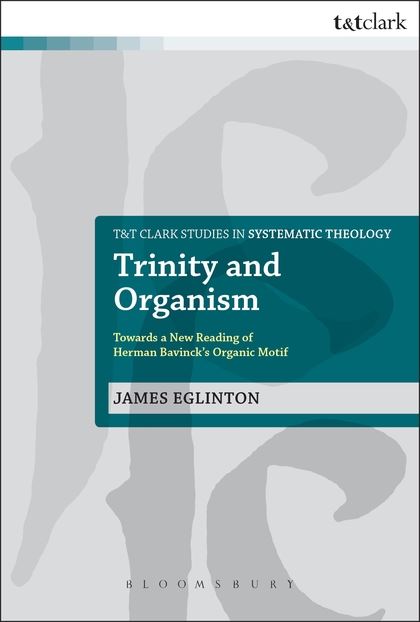
Trinity and Organism in Bavinck (Or, Why Bother With Historical Theology?)

trinity and organismI’ve recently begun reading a fascinating work on the theology of Herman Bavinck by James Eglinton entitled Trinity and Organism: Towards a New Reading of Herman Bavinck Organic MotifIn his theology, Bavinck frequently appeals to the motif or theme of “organism” in relation to a number of theological issues like creation, Scripture, the church, and so forth. Regularly you’ll see Bavinck put forward some modern, mechanical conception of an issue and then suggest that, instead, one ought to think of these things in a far more “organic” manner, or something like that. Up until recently, many Bavinck scholars have chalked it up to the prevalence of the idea of “organism” in the 19th-century post-Hegelian, German Idealist climate that Bavinck was working in.

This idea goes hand in hand with a very popular understanding of Bavinck forwarded by Jan Veenhof that suggested that instead of one, there were “two Bavincks” that you could trace in his works. One was the orthodox Reformed theologian with roots in the conservative secessionist churches of his youth, and the second is the modern, scientific thinker trained in the modernist academy. Apparently, if you’re really smart, you can split Bavinck’s work up into bits according to that thesis because they’re clearly incompatible, and, Bavinck just never managed to reconcile them. The fun starts when theologians then take the thesis and use it to play Bavinck against himself and pick and choose the bits you like depending on which half you find more appealing. Now, obviously, on this reading, the “organic” motif is part of the modernist Bavinck’s bag of tricks, that sits uneasily with his Reformed orthodoxy.

Eglinton sets himself to correct the historical record by drawing on recent work done by Brian Mattson, John Bolt, and others that scuttles the “two Bavincks” thesis. Instead of assuming Bavinck’s theology was a bundle of contrarieties that the great man sadly never managed to properly compose, Eglinton sets Bavinck back in his historical and intellectual context, compares and contrasts him with other movements and influences in Dutch theology at the time, rereads Bavinck carefully, and manages to present us with one Bavinck whose “organicism” has less to do with his dependence on the post-Hegelian theology, and far more to do with his thoroughgoing, Reformed, trinitarian theology. Bavinck’s “organicism” is drawn more from Calvin and Reformed Orthodoxy than German idealism.

According to Eglinton, Bavinck’s “organism” metaphor is a way of speaking of the unity-in-diversity in creation that flows from the reality that the Creator is not a mere monad, but Father, Son, and Holy Spirit. In other words, the diversity and unity within the divine being finds a correspondence in the unity-in-diversity of creation designed to body forth the glory of the Triune God. Organism is Bavinck’s way of picking up and retooling the patristic idea of vestigia trinitatis, or “traces of the Trinity” found in creation. The Fathers and the medievals loved finding triads in creation that pointed towards the Trinity that created it. Bavinck takes up the same idea, but instead of focusing on numerical triads, he sees traces of the Trinity in the more generalized unified pluriformity and diversity of creation.

Of course, this is just scratching the surface. Eglinton makes his case by testing his thesis across the wide range of Bavinck’s theology, examining the organic motif in Bavinck’s doctrine of God, revelation, Scripture, ecclesiology, and so forth. In each section, he continues to do careful historical work, setting Bavinck in his own context, as well as paying close attention to Bavinck’s own usage of key terms and concepts, and not simply assuming he’s cribbing his work from his Idealist neighbors. At the end of the work, if you hadn’t before, you begin to get a beautiful vision of the trinitarian shape and aim of all of Bavinck’s talk of organism.

Why Historical Theology?

Now aside from my inherent interest in everything Bavinck, why pay attention to this kind of specialized historical work? In fact, some of us might wonder, why get so heavily invested in historical theology in general? Why worry about the nuances in the theology such and such 3rd Century bishop, or which motif does what in the thought of a 19th Century Dutch dogmatician? How does that matter to theology today, or the church today? Why not just focus on the material issues of theology according to Scripture instead of worrying about the problems of historical theology?

Because there’s a danger there, right? I mean, as I’ve started to study theology more and more, you begin to see weird, internecine academic fights about the ins and outs of Barth’s doctrine of whatever, and when you stop and consider for a moment, you begin to question, “Why does this matter?” As Phillip Cary put it in one recent article, “In most places outside Princeton, judging who gets Barth right is vastly less interesting than judging what Barth gets right—a work of discernment which belongs to the ongoing life of the tradition of Christian orthodoxy.” When you put it like that, I can’t help but agree.

Why, then, should historical theology matter to (at least some of) us? I can think of at least four reasons that I’ll attempt run through briefly.

1. Truth Matters.  The first is the basic reality that truth in all its forms matters because all truth is God’s. Indeed, we serve a God who is himself the Truth. The truth of nature tells us God’s creative work. The truth of history tells us the story of God’s providential work. This reality, not to mention various others, is sufficient enough reason for us to be concerned about the truth of any issue. I mean, this is the basic assumption that funds our conviction that the sciences and the humanities matter as subjects of study beyond their immediate, practical use.

2. Bearing false testimony. Historical theology matters as an issue of Christian truth-telling about the community of saints. The fact of the matter is that theology is taught within the Christian community, and certainly in the seminaries, as the story of teachers, preachers, saints, and professors, struggling to expound the truth of God to the men and women of their time. When we get that story wrong, when we get the theology of our forebears wrong, when we present them as less competent, fair, biblical, or orthodox (or more) than they actually were, we do them a disservice by bearing false witness against them. This is especially the case when we engage in the unfair caricature of whipping-boy theologians (Augustine and Anselm come to mind) as foils against which we can then forward our own pet theories. Christian love requires truth in speaking of our theological ancestors and often-times it means rehabilitating them.

3. Avoiding Error. It’s not just that theology happens to be taught as a story in seminaries, it’s that theology is an inherently historical enterprise. Christian theology exists only as the particular methods of reading Scripture, Creeds and Confessions drawn up around it, are passed on from generation to generation within the Church. Without historical theology, we keep ourselves from the wisdom accumulated over 2,000 years of trying, failing, and succeeding in preserving the truth of the Gospel from error and perversion. Those who ignore historical theology will almost inevitably be doomed to repeat errors the church has already discarded for some good, biblical reason or another.

4. Mining Riches. Beyond avoiding error, studies in historical theology prove that our Fathers and Mothers in the faith may still have something to new to say to us. Corrective studies like Eglinton’s have the possibility of opening up theological vistas or impasses in current theological and churchly debate because it comes from another time that’s not caught up in the assumptions we share. This is true whether it’s simply reminding ourselves of older sources we merely forgot or by gaining an understanding of their answers that weren’t properly heard the first time around. In this way, historical theology can become a timely word from another time. (Insert bit about ‘chronological snobbery’ here).

After all this, it’s wise to hear Cary’s warning stands as a valid one. Our priority as preachers, teachers, and lay (or professional) theologians is the truth about what Bavinck got right more than the truth about who got Bavinck right. Still, it would be foolish to think that our pursuit of the former won’t include an understanding of the latter.

Soli Deo Gloria

5 Questions To Ask Of Any Atonement Theory

atonementI’m something of a student of atonement theology. The funny thing about atonement theology is that, no matter how many books you read on the subject, there’s always one more angle (or multiple) to consider when trying to understand and explicate the saving significance of Jesus’ life, death, and resurrection. Which is why I was delighted to get my hands on an advanced copy of Biola Professor and atonement expert Adam Johnson’s elegant little work Atonement: A Guide for the Perplexed last week. There are a number of features that separate this work from a number of the recent entries into the field, but the biggest that comes to mind is that it’s not just a book on atonement theology, but a book about how to do atonement theology. It’s a “guide for the perplexed” not only as to the content of the atonement, but how to approach the problem of atonement theology in general.

All too often theology finds itself falling into familiar grooves because classic dichotomies are set up somewhere along the line, battle lines are drawn, and doing theology becomes a matter of picking between better and worse options without questioning whether they should accept the given categories in the first place. Johnson aims to shift up the conversation in atonement theology by pushing past the familiar terms of the debate between penal substitution, moral exemplar, and Christus Victor “theories” of atonement by encouraging us to turn and mine the many-splendored riches of Scripture and history for describing the unfathomable fullness of Christ’s work on our behalf.  Why settle for one when you can have all and more? Notions of victory, sacrifice, recapitulation, penalty, theosis, governmental, and so on down the line have a role to play here.

Johnson plays the role of guide in a number of ways. He clears the ground by critiquing some of the earlier conversations on the topic, less by way of negative polemic, and more by way of a dazzling invitation into a theological world unencumbered by the narrower discussions of the last century and half. He also tries to help us think through the trinitarian grounding of all atonement accounts, as well draw our attention to the importance to of attending the role the various attributes of God play a role in all of our theologizing about atonement. In these, and various other ways, Johnson aims to help us understand just how important it is for us to avoid doing our atonement theology without paying attention to the various other doctrines (God, Christology, anthropology, etc.) it depends, or impinges on.

Beyond that, Johnson actually does a ton of helpful constructive work to display to us the various facets or aspects of Christ’s reconciling life, death, and resurrection, drawing on Scripture as well as such diverse figure as Irenaeus, Von Balthasar, Calvin, Edwards, Aquinas, and, of course, Barth. While there’s plenty in Johnson’s that even the enthusiastic reader will be left chewing on (the nature of God’s suffering, the nature of atonement for the angels, the non-priority of penal substitution), the good thing is that it’s not intended to be the final word on the subject. It’s constructive as well as being suggestive for further work down the line.

Five Key Questions

While there are a number of fascinating and helpful sections in the work, one section that is particularly helpful is Johnson’s outline of five questions we should ask of any theory, dimension, or model of the atonement (pp. 47-50).

1. What is the key cast assembled in this work on the atonement? Every atonement account has a cast of players. God, humanity, demons, or angels, and so forth. Asking the question about the cast helps us understand, not only who is involved, but also what role the characters play and what emphasis a theory places on the players. Is it mostly about God? Or the human problem? Or are the demons center stage? Does it exclude those it should include, or focus too tightly on one to the exclusion of others.

2. What divine attribute, or set thereof, does this particular theory of the atonement emphasize? One of Johnson’s main theses is that every account depends on a focus on one or a couple of key attributes of God. Penal accounts might emphasize the need to satisfy justice as well as the apparent tension it causes with his love. Others such as victory accounts might focus on God’s faithfulness to his creation or his sovereignty. We need to be able to identify these, and even more, we need to ask careful questions about the way they are emphasized. Are attributes pitted against each other? Are some sidelined in favor of others? Are the ones highlighted treated according to the full witness of Scripture or is a muted picture presented?

3. What aspect of our sin does this particular theory focus on? Atonement deals with sin and different atonement accounts deal with different dimensions of sin. We need to ask which dimension this particular theory tackles. Is it focused on sin’s essence, or its effects? Is it personal, social, political, or cosmic? Is sin treated as sickness, rebellion, or bondage? Is the main problem guilt, or shame or even death? More importantly, are these set up in a way that only one is treated as the “real” problem? This is where I’ve seen problems show up in the various, reductive accounts on offer. Yes, shame needs answer, but so does bondage. Yes, we need new life, but does God grant that to those still bearing their guilt?

4. How does this particular theory develop Christ saving us from our sin? Obviously, this one follows off of the last. If atonement deals with different dimensions of sin, then there are correspondingly different methods. Does Christ pay a penalty and do away with our guilt? Unmask the powers of evil? Conquer the power of death? Heal the corrupting effects of sin in our souls and our bodies? Liberate the oppressed from unjust political systems? Hopefully, you answered yes to all of them. Still, each theory tends to focus on one or a couple of these. Asking these questions helps us identify areas of critique or needed expansion and addition to fill out our view of Christ’s full work. If your theory doesn’t admit of that, if it rules out further dimensions, then that might be a problem.

5. How does this theory develop Christ saving us for life with God and others? Finally, we need to remember that atonement is aimed, not only at saving us from sin, but for life with God. Every theory or aspect under consideration should point forward towards the resurrected life, just as atonement does not stop with the cross but continues on through the resurrection and ascension of Jesus. How is that result described? Is it union with God? Is it a new life of righteousness? Is it warm, reconciled family relations? Is it physical wholeness in the New Creation? Does it have implications for our life now, between the comings of Christ? Each aspect or theory of atonement ought to have something to say here. Now, note, not each dimension has to say everything–I’ve seen criticism of penal substitution that fault it for dealing with problems that other complementary dimensions deal with well (social, political, etc) and simply written off because people are under the impression you can’t have more than one aspect doing work at a time. That’s akin to faulting a hammer for not being wrench because you’re too silly to realize you can use both.

In any case, these five questions (and I’ve only scratched the surface of Johnson’s development of them) are a good place to start considering the various proposals, historic and contemporary, for understanding the grand, comprehensive work of Christ’s atonement. I know the book doesn’t release for a couple of months, but for serious students looking to dig deep into the manifold wisdom of God’s saving work in Jesus’ life, death, and resurrection, I highly commend preordering or wish-listing this book.

 Soli Deo Gloria